Regulatory Timelines Shaping Algorithmic Payout Adjustments in Cross-Border Digital Gaming Formats
Written by Parker Roth · Nov 20, 2026
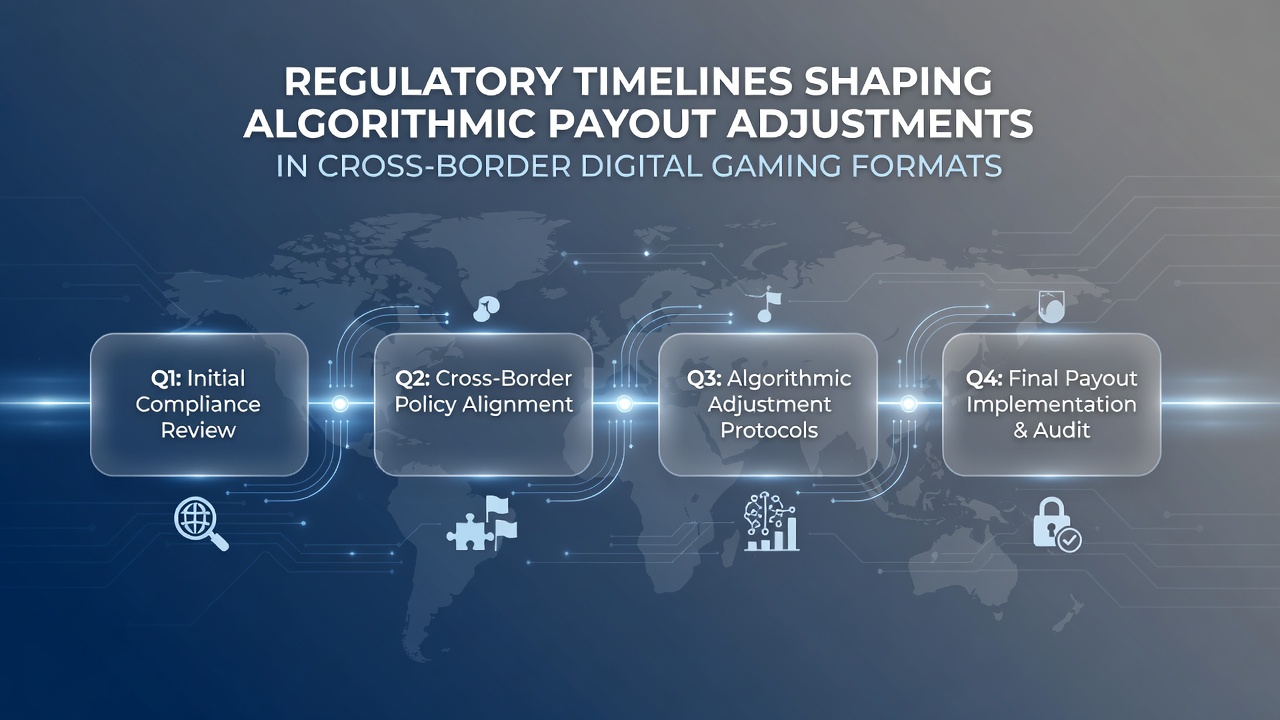
Regulatory Timelines Shaping Algorithmic Payout Adjustments in Cross-Border Digital Gaming Formats
Regulatory timelines in cross-border digital gaming create structured windows during which operators must recalibrate payout algorithms to align with evolving compliance requirements across multiple jurisdictions, and these adjustments often involve synchronization between national licensing bodies and international data-sharing protocols. Observers note that such timelines typically span 18 to 36 months from announcement to enforcement, allowing developers to integrate new variables like jurisdiction-specific tax rates or player verification thresholds into their systems while maintaining operational continuity for users in different regions.
Understanding the Core Mechanisms
Algorithmic payout adjustments respond directly to deadlines set by regulatory frameworks, where each phase introduces mandatory updates to random number generators, volatility controls, and cross-border transaction verification layers. Researchers have documented cases in which a single timeline extension, such as those tied to data localization rules, forces operators to segment user pools and apply differentiated payout percentages based on the player's country of access, and this segmentation occurs without disrupting the core game logic for any single market.
European Union directives provide one prominent example, with staggered implementation dates that require progressive alignment of payout formulas to consumer protection metrics. Data from the European Gaming and Betting Association shows how these phased rollouts have prompted operators to embed modular code structures that activate new payout parameters on precise calendar triggers, reducing the risk of non-compliance penalties during transition periods.
Regional Variations and Their Impact
North American regulatory bodies follow distinct schedules compared to their European counterparts, with state-level gaming commissions in the United States issuing annual compliance calendars that intersect with federal reporting cycles. In November 2026, several anticipated updates to cross-border data protocols are scheduled to take effect, requiring algorithms to incorporate real-time residency checks that influence payout distribution rates for players accessing platforms from outside their licensed jurisdiction. Those who've studied these patterns observe that operators prepare by running parallel simulation environments to test how new timeline-driven constraints affect overall return-to-player figures across international user bases.
Asian markets introduce additional layers through licensing renewals that occur on fixed multi-year cycles, often compelling adjustments to algorithmic models when new responsible gaming metrics enter the regulatory mix. Australian authorities, for instance, have linked payout algorithm reviews to periodic audits of player fund segregation rules, creating predictable windows where developers must recalibrate systems to reflect updated financial reporting standards.
Technical Implementation Challenges
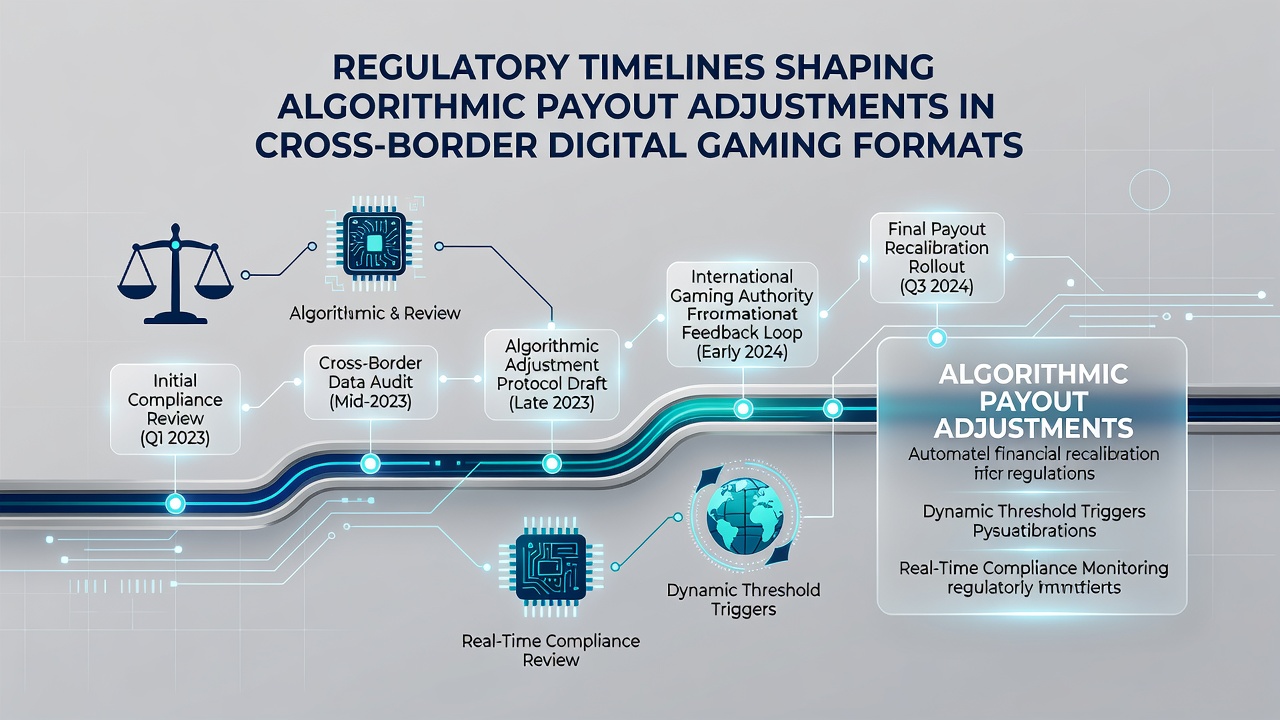
Developers address these timelines by building timestamp-driven modules into their payout engines, allowing automatic activation of revised parameters once regulatory deadlines pass. One documented approach involves mapping each jurisdiction's enforcement date to specific code branches that adjust payout percentages, bonus trigger frequencies, and progressive jackpot contributions in response to the new rules. Studies from academic research institutions have highlighted how such modular designs minimize downtime during transitions, yet they also demand rigorous testing to ensure that cross-border player sessions maintain consistent performance regardless of which regulatory timeline governs their account.
Coordination between regulators further complicates the process, because overlapping deadlines from different regions sometimes require simultaneous updates that strain development resources. Industry reports indicate that operators frequently establish dedicated compliance teams to track these timelines and coordinate with software vendors on the precise sequencing of algorithmic changes.
Future Outlook for Algorithmic Compliance
Emerging frameworks continue to emphasize transparency in how regulatory timelines influence payout mechanics, with several jurisdictions now requiring public disclosure of adjustment schedules. This practice allows independent auditors to verify that algorithmic modifications align with announced deadlines rather than occurring ad hoc. Research indicates that clearer timeline communication between regulators and operators has led to fewer compliance incidents, particularly in environments where digital gaming spans multiple continents.
Conclusion
Regulatory timelines function as the primary drivers behind algorithmic payout adjustments in cross-border digital gaming, dictating when and how systems incorporate new compliance variables from diverse jurisdictions. The structured nature of these timelines enables operators to plan technical updates methodically, while regional differences create a complex web of deadlines that demand careful coordination. As November 2026 approaches with its scheduled protocol changes, the ongoing evolution of these frameworks will continue to shape the technical architecture of payout systems worldwide.