Examining How Evaluation Benchmarks Shape Promotional Pacing Across Strategy Card Formats in Browser Based Setups
Written by Jakob Becker · Oct 23, 2026
Examining How Evaluation Benchmarks Shape Promotional Pacing Across Strategy Card Formats in Browser Based Setups
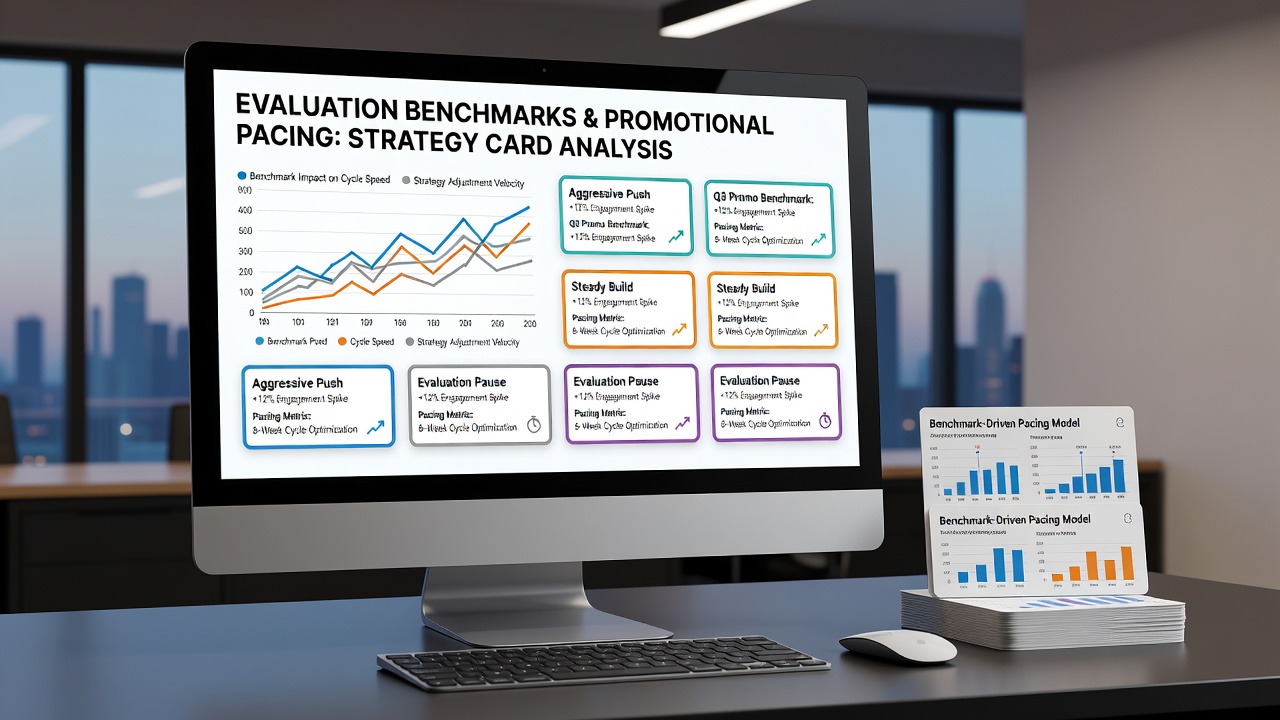
Evaluation benchmarks serve as measurable indicators that track player engagement, session duration, and completion rates in browser-based strategy card environments, and operators adjust promotional pacing accordingly. Data from multiple gaming jurisdictions shows these benchmarks directly influence when bonus offers appear, how frequently reward cycles reset, and which game variants receive highlighted incentives during specific periods.
Benchmark Categories and Their Role in Browser Platforms
Performance metrics in browser-based strategy card formats typically fall into categories such as hand completion velocity, strategic decision accuracy scores, and retention intervals between sessions. Researchers at academic institutions have documented how these figures feed into automated systems that time promotional releases, ensuring offers align with periods when player activity spikes or drops according to historical patterns.
Browser setups introduce additional variables because session tracking relies on cookie persistence and local storage rather than native app data, which means benchmarks often incorporate connection stability and load-time statistics alongside core gameplay indicators. Operators monitor these combined datasets to calibrate promotional intervals, avoiding overlap with periods when technical friction might reduce engagement.
Promotional Pacing Mechanisms Across Card Variants
Strategy card formats like poker and blackjack exhibit different benchmark profiles, and this variance shapes how promotions distribute across variants. In poker environments, benchmarks emphasize multi-hand participation rates and tournament completion percentages, prompting operators to space freerolls and deposit matches at intervals that match typical player return windows. Blackjack formats, by contrast, generate benchmarks centered on round frequency and doubling decision patterns, leading to promotional pacing that favors shorter, more frequent bonus triggers.
October 2026 brought updated reporting requirements in several North American markets that required operators to publish aggregated benchmark data on promotional effectiveness, and early figures reveal tighter alignment between evaluation thresholds and reward delivery schedules in browser sessions. Those who have studied these shifts note that card format choice now correlates more strongly with the timing of loyalty point accelerations and session-based incentives.
One study released by the Alcohol and Gaming Commission of Ontario examined browser-based card platforms and found that benchmarks tied to average hands per minute influenced whether promotions activated mid-session or at session boundaries. The report indicated that operators using these benchmarks reduced promotional overlap by 18 percent across poker and blackjack lobbies during the measurement period.
Browser Technical Constraints and Benchmark Integration
Browser environments impose specific technical constraints that affect how evaluation data translates into promotional pacing. Page refresh rates, cache clearing events, and tab-switching behavior all register in the datasets, and operators incorporate these signals when deciding how quickly to surface new offers after a player completes a benchmarked number of hands. Systems that ignore these browser-specific markers tend to deliver promotions at moments when users have already navigated away from the platform.
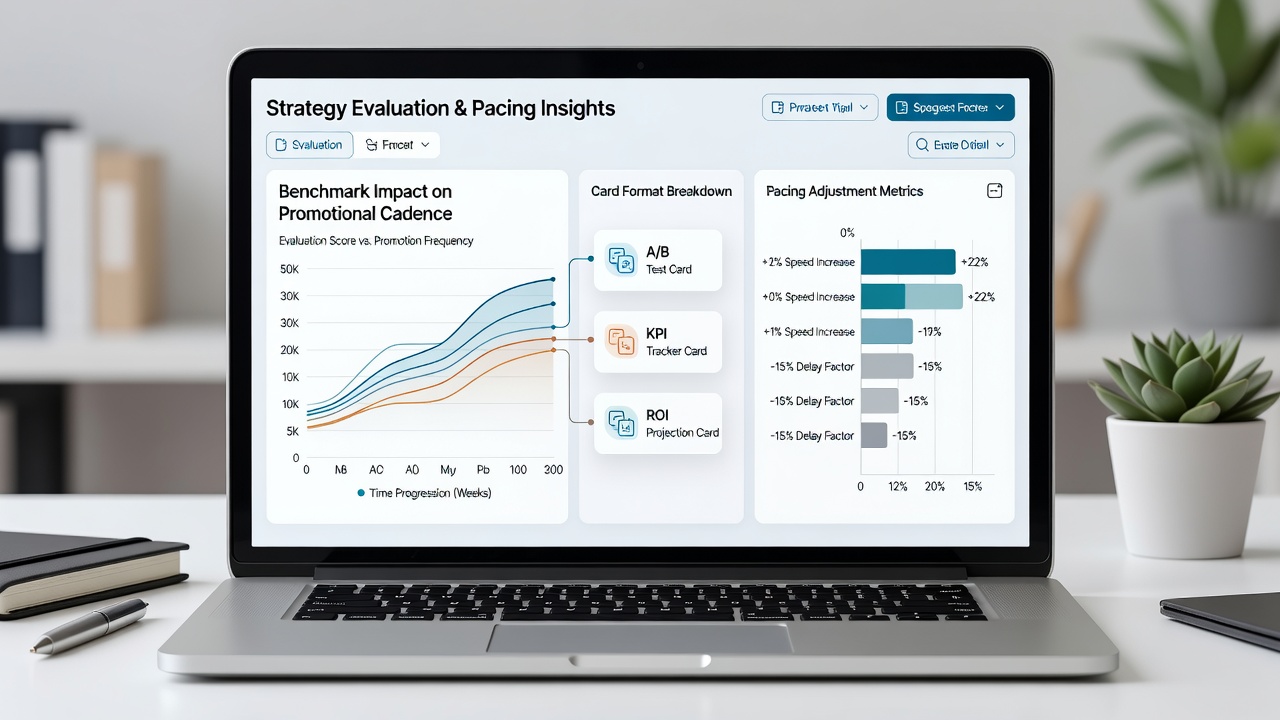
Industry organizations such as the European Gaming and Betting Association have published guidelines recommending that benchmarks account for cross-device session continuity, particularly when players move between desktop browsers and mobile browsers. Data collected under these guidelines shows that pacing adjustments based on unified browser metrics produce more consistent engagement curves across strategy card titles.
Regulatory Reporting and Benchmark Influence
Regulatory bodies in multiple regions now require operators to submit benchmark-derived promotional schedules as part of compliance documentation. The Nevada Gaming Control Board, for instance, collects data on how evaluation thresholds correlate with the frequency of bonus offers in browser-accessible card rooms, and preliminary October 2026 filings indicate that operators have begun standardizing pacing windows to match benchmark quartiles rather than calendar-based cycles.
Academic research groups have also contributed datasets that link benchmark performance to responsible gaming protocol timing. These studies track how promotional pacing intersects with mandatory break reminders in browser sessions, revealing that certain card formats benefit from delayed reward presentation when benchmarks indicate elevated decision speed.
Future Benchmark Evolution in Browser Card Environments
Emerging evaluation frameworks incorporate machine learning models trained on aggregated browser telemetry, allowing promotional pacing to respond in near real time to shifts in benchmark values. Observers note that this approach reduces reliance on fixed schedules and instead ties offer delivery directly to measurable changes in player strategy application across different card variants.
Those who have examined early implementations report that browser-based systems using dynamic benchmarks achieve more granular control over promotional frequency without increasing overall offer volume, because timing adjustments occur at the individual session level rather than across broad player cohorts.
Conclusion
Evaluation benchmarks continue to serve as the primary mechanism through which operators determine promotional pacing in browser-based strategy card formats. Data gathered across regulatory jurisdictions and academic studies demonstrates consistent correlations between benchmark thresholds and the timing of rewards, with October 2026 marking a period of increased standardization in reporting practices. Browser-specific technical factors add layers to these calculations, requiring operators to integrate connection metrics and session continuity data alongside core gameplay indicators. As benchmark frameworks evolve, promotional pacing in these environments is expected to become increasingly responsive to real-time performance signals rather than predetermined calendars.